ERAS & Residency Headshots in San Antonio: What Medical Students Need to Know
After years of medical school, exams, clinical rotations, and late nights studying, your ERAS application comes down to hundreds of small details. Your headshot is one of the few parts of your application you can control completely.
It will not determine where you match, but it will help shape a residency program's first impression and, in many cases, become the photo associated with you throughout your training.
This guide walks you through current AAMC requirements, what makes a great ERAS or residency headshot, how to prepare, and what San Antonio medical students should know before booking a session.
TL;DR
Your ERAS photo should meet current AAMC technical requirements
Schedule your headshot well before your application deadline
Business professional attire is the safest choice for most applicants
Choose a photographer familiar with ERAS formatting and professional expression coaching
Many residency programs use your ERAS photo for identification throughout training
Medical students from UT Health San Antonio, UIWSOM, and visiting rotations have local options in San Antonio

Why Your ERAS Photo Is More Than a Checkbox
Your ERAS photo is one of the first visual impressions a program may have of you. According to AAMC, the photo is most often used by programs to help identify applicants when they report for an interview. That is the official framing, and it is worth taking seriously.
Before a reviewer reads your personal statement or scans your scores, they have already formed a first impression based on your photo. That impression does not determine your Match outcome on its own, but it does signal how much attention you pay to the details of your professional presentation.
There is also a practical reason to get this right: many residency programs use your ERAS photo as your hospital ID badge for the duration of your training. That photo may follow you through three or more years of residency. Getting a quality image now is worth the time.
A few things to avoid: selfies, photos cropped from group shots, heavily filtered images, and AI-generated headshots. Programs rely on your photo to recognize you on interview day. If the person who walks in looks noticeably different from the application photo, that creates a question you do not want to answer.
Official ERAS Photo Requirements
Requirements are based on current AAMC guidance. Always verify the latest specifications directly at the AAMC website before uploading your application photo, as requirements can change between cycles.
| Requirement | Current Guidance |
|---|---|
| File Type | JPEG or PNG — verify current accepted formats at aamc.org before submitting |
| Dimensions | 2.5 inches x 3.5 inches, portrait orientation |
| Resolution | 150 dpi (375 x 525 pixels) |
| File Size | Under 150 KB |
| Composition | Frontal view, head and shoulders, face centered and looking directly at the lens |
| Background | Solid neutral color |
Requirements are based on current AAMC guidance and may change between application cycles. Always verify specifications at students-residents.aamc.org before uploading your photo.
| Recommendation | Why It Helps |
|---|---|
| Business Professional Attire | Timeless, professional appearance regardless of specialty or training stage |
| Neutral Background | Keeps the focus on your face rather than your environment |
| Natural, Moderate Smile | Reads as approachable and engaged without feeling casual or overly formal |
| Desktop Download for Final Files | Helps preserve exact file specifications and avoid upload errors in the ERAS system |
These are professional best practices, not AAMC requirements. If your program advisor provides different guidance, follow their recommendation.
Pro Tip: Download your final headshot files on a computer, not a phone or tablet. Transferring image files through a smartphone can resize or recompress the file, which may cause it to fail the ERAS upload validation. Ask your photographer to deliver final ERAS-formatted files via a desktop-accessible link. If anything your photographer delivers does not match the current AAMC specs, check the official page before uploading rather than assuming either version is correct.
For international medical graduates (IMGs), your photo routes through MyIntealth and ECFMG before reaching ERAS. Follow the ECFMG-specific instructions carefully, as formatting errors at that stage can delay your submission.
If you need help understanding how to resize and export image files correctly, our guide on how to upload photos without losing quality covers the basics.
What Makes a Great ERAS or Residency Headshot?
Meeting the technical specs gets you past the upload screen. What you actually look like in the photo is a separate question, and it matters just as much.
The strongest ERAS headshots tend to look natural, confident, and authentic, allowing the focus to remain on you rather than the photograph itself.
A slight, natural smile generally works better than a neutral or serious expression. A fully serious expression can read as cold or guarded. A wide, casual smile can feel out of place for the context. Somewhere in between, where you look engaged and calm, is usually right.
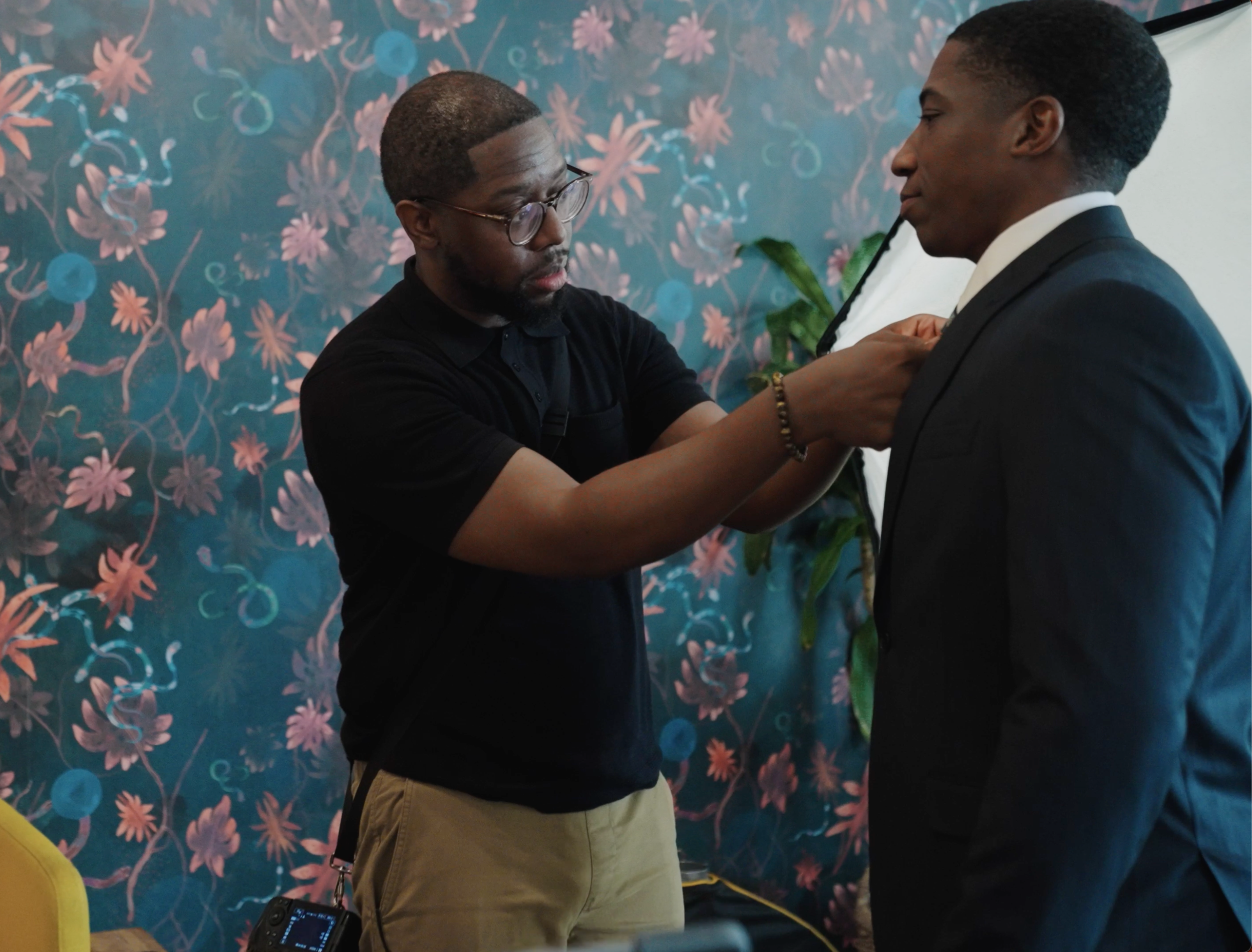
Good photographers coach this. They do not just set up a camera and tell you to stand there. They guide your posture, your eyeline, your expression, and your energy in the frame. That coaching is often the difference between a photo that looks professional and one that just looks like it was taken professionally.
Here is something we have noticed working with medical students and healthcare professionals in San Antonio: a lot of people walk in saying they are "not photogenic." By the end of the session, that concern is almost always gone. Most people do not need to become more photogenic. They simply need clear direction, good light, and someone who knows how to coach natural expression.
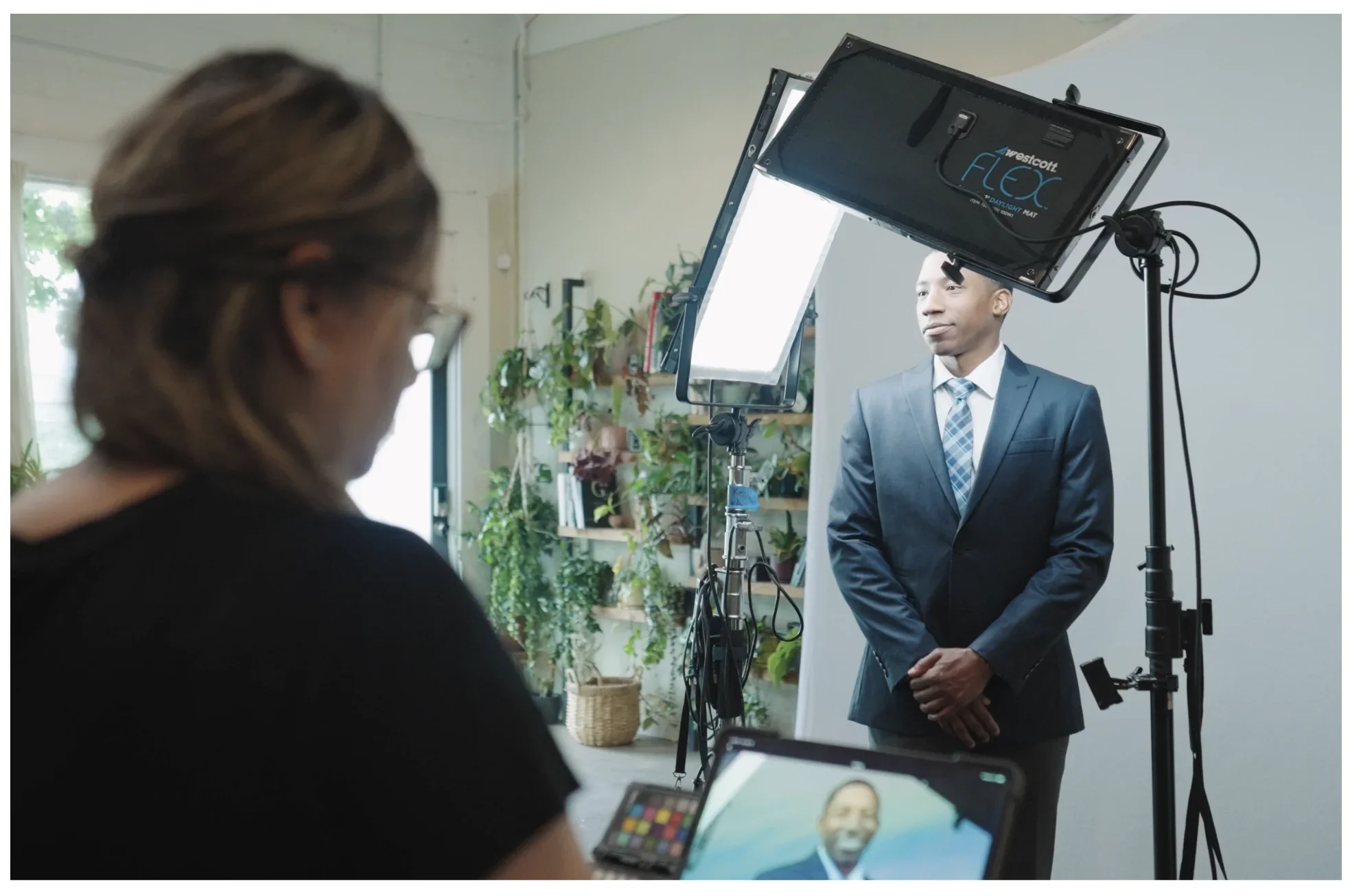
One thing that helps us get there: we shoot tethered, meaning images appear on a screen in real time during the session. We encourage students to look at the shots, share what they like or don't like, and let us know if something feels off. Medical students tend to be analytical and detail-oriented, which is actually an advantage. When they can see what we see and tell us what they are going for, we can get very specific about how to help them get there.
We also pay attention to the environment. Good music helps. So does having a friend, classmate, or spouse in the room. People tend to relax when someone they trust is nearby, and that comfort shows in the frame.
Because we regularly photograph professionals across healthcare, law, engineering, finance, and executive leadership, we have seen that the strongest headshots have one thing in common: they look authentic to the person standing in front of the camera.
Book your residency headshot session here.

What Should You Wear to Your Session?
Business professional is the standard. A suit jacket or blazer in navy, charcoal, or black over a solid collared shirt in white or light blue is the most universally accepted choice. Solid colors only; patterns and stripes create visual noise in photos and can distort under studio lighting.
On white coats: Opinions vary, and some program advisors do recommend wearing one. If your school or advisor specifically recommends a white coat, follow that guidance. Otherwise, business professional attire is the safer and more universally accepted default. A well-fitted suit jacket communicates professionalism without signaling anything about your training stage.
On glasses: If you wear glasses regularly, take photos both with and without them. Having both options gives you flexibility during upload and on interview day. Bring them cleaned.
On makeup: Natural is the goal. Concealer, mascara, and powder to reduce shine are common and appropriate. Heavy or stage makeup is not necessary and can look unnatural under studio lighting.
On grooming: Hair should be neat and consistent with how you plan to appear in interviews. Accessories should be minimal. Avoid bright colors that can cast onto your skin under studio lights.
Pro Tip: Lay out your outfit the night before and check it in natural light. Colors and patterns that look fine in your bedroom can behave unexpectedly under studio lighting. When in doubt, simpler is better.
If you want to get the most out of your session, consider bringing a second outfit. Many students use the same session to get a LinkedIn headshot or a photo for future publications, CV submissions, or hospital directories. That second look does not need to match your ERAS photo. It just needs to reflect how you want to show up professionally.
More wardrobe guidance is available on our professional headshot preparation page.
Before Your Session: A Quick Checklist
This takes five minutes and makes a real difference.
Confirm your appointment location, parking, and arrival time
Steam or press your clothing the night before
Get a good night's sleep if you can
Bring a lint roller and a comb or small brush
Bring a second outfit if you want additional professional images
Wear what you would feel comfortable wearing to an interview
If you wear glasses regularly, bring them cleaned
Avoid a new haircut or a new skincare routine immediately before your session
If there is something specific you want from the session, whether that is a particular expression, a look you have seen somewhere, or a concern you have about how you photograph, bring it up at the start. The more we know going in, the better we can help.
Common Mistakes to Avoid
These are the issues we see most often. Most are easy to prevent with a little planning.
Waiting until the last minute. Your application season is already full. A delayed appointment, an unexpected schedule conflict, or a file that fails to upload correctly can quickly become a real problem. Book your session with enough buffer to address any issues before your deadline.
Cropping a vacation or group photo. This almost always results in low resolution, awkward framing, or a blurred image. ERAS photos are displayed small on screen, which makes any quality issue immediately noticeable.
Using AI-generated headshots. AI-generated photos may not accurately represent how you look in person. Since your application photo should help programs recognize you during interviews and throughout residency, an authentic, current photograph is the safer choice.
Over-retouching. Light retouching for blemishes or skin tone is standard. Heavy filtering, skin smoothing, or obvious editing removes the natural quality that makes a photo feel trustworthy.
Downloading files from your phone. Transferring files through a smartphone can alter dimensions or recompress the image. Always download your final files on a desktop or laptop.
Not verifying the current AAMC requirements. Requirements can change between application cycles. Always check the official AAMC page before uploading, regardless of what you read elsewhere, including here.
Wearing distracting clothing. Patterns, bright colors, and busy accessories shift focus away from your face. Simple, solid business professional attire keeps the focus where it belongs.
When Should You Book Your ERAS Headshot?
The best time to schedule is well before you plan to submit your residency application.
Giving yourself several weeks before your deadline provides time to:
Review your images without feeling rushed
Request any retouching or adjustments
Ensure your file meets the current AAMC technical requirements
Upload your photo and resolve any formatting issues before submission
Waiting until the last minute creates unnecessary pressure. Between clinical rotations, exams, personal statements, letters of recommendation, and the application itself, your schedule will already be full. A delayed appointment, an unexpected illness, or a file issue can quickly become one more source of stress.
Booking early gives you flexibility and one less thing to think about.
How to Choose an ERAS or Residency Headshot Photographer in San Antonio
Whether you are a student at UT Health San Antonio's Long School of Medicine, the University of the Incarnate Word School of Osteopathic Medicine, or completing a visiting rotation in San Antonio, having a local photographer who understands the unique requirements of ERAS applications can make the process much easier.
Both schools produce residency applicants each year, and both have students rotating through San Antonio's major healthcare systems: University Hospital (the primary teaching hospital affiliated with UT Health San Antonio), CHRISTUS Children's Hospital, Methodist, and Baptist. Visiting students rotating through these sites often need headshots on a tighter timeline, working around clinical schedules and hospital commitments.
When choosing a photographer, a few things matter:
ERAS compliance. Your photographer should understand the file size limit, the correct dimensions, and how to deliver files in a format you can actually upload. This is not universal knowledge. Ask directly.
Expression coaching. Looking natural in a professional photo is harder than it sounds. A photographer who guides you through posture, expression, and energy will produce a different result than one who points a camera at you and steps back.
Turnaround time. ERAS season moves fast. Ask what the turnaround on final edited files looks like and confirm it fits your timeline.
Delivery format. Make sure final files come via a desktop-accessible link, not just a phone notification. Phone downloads can alter file specs.
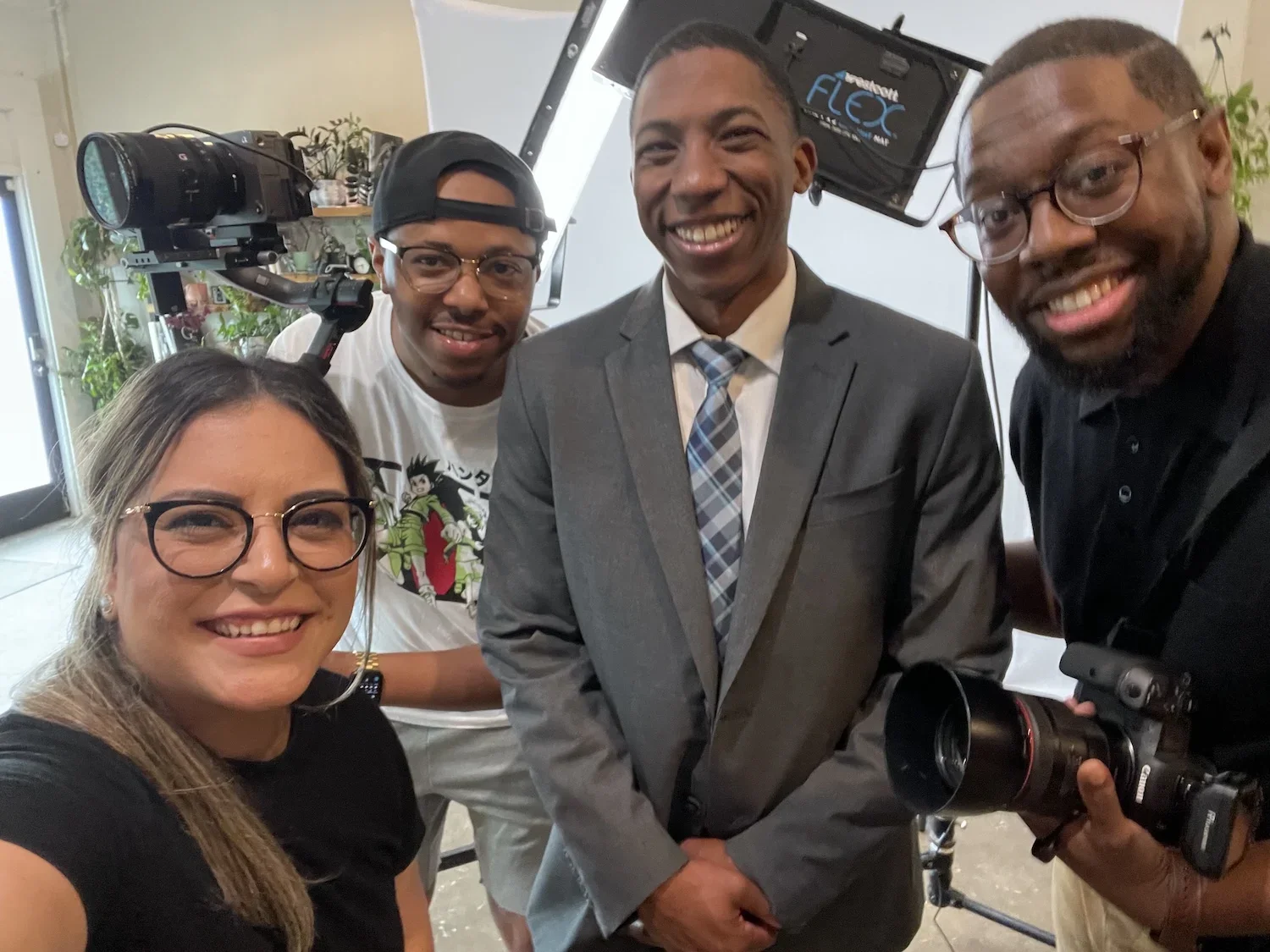
At Meet the Bryants, we understand that an ERAS headshot is different from a typical business portrait. Our goal is to make the experience straightforward and stress-free, from helping you choose the right outfit to guiding your expression and delivering files that are ready for your application. Whether you are applying this season or planning ahead, we are here to help you present yourself with confidence.
Schedule your residency headshot session.
Frequently Asked Questions
-
Technically, a smartphone photo can meet the pixel and file size requirements if processed correctly. The more common issue is the result: lighting, composition, and expression coaching are difficult to replicate on your own. The file also needs to be under 150 KB, which requires deliberate export, not just a photo from your camera roll.
-
Yes. A natural, moderate smile is generally appropriate and often reads better than a fully neutral expression. The goal is to look approachable and engaged, not stiff. Avoid an overly casual or wide smile; the context is still professional.
-
If your school or advisor recommends it, follow that guidance. Otherwise, business professional attire (a suit jacket or blazer over a solid shirt) is the safer and more universally accepted choice. A well-fitted suit jacket communicates professionalism without signaling anything about your training stage.
-
Most professional headshot sessions run between 30 and 60 minutes. The exact length depends on how many looks you are doing and how much time is spent on coaching and real-time review during the session. If you are planning a second outfit for LinkedIn or other professional use, factor in additional time. Ask your photographer for specifics when you book.
-
Pricing varies by photographer and market. At Meet the Bryants, residency headshot sessions include ERAS-formatted file delivery and posing guidance. Contact us to discuss what is included and what fits your timeline.
-
As soon as you know your rotation dates. Visiting students often have limited windows before leaving the area. Booking in advance gives you more flexibility for working around your clinical schedule.
One Last Thought
Your residency application tells programs about your education, your experiences, and your accomplishments. Your headshot introduces the person behind those achievements and helps ensure your first impression reflects the professionalism you have worked so hard to earn.
A thoughtful, professional portrait will not earn you a residency position. But it can help ensure your first impression feels polished, professional, and true to you.
If you are a student at Long School of Medicine, UIWSOM, or rotating through San Antonio and need a professional residency headshot, start the conversation here.
Ready to Check Your Headshot Off the List?
If you are ready to move forward, we make it straightforward. ERAS-compliant file delivery, expression coaching, and fast turnaround, all in one session. Schedule your discovery call.
If you liked this post, Pin it to Pinterest! 👇🏽